


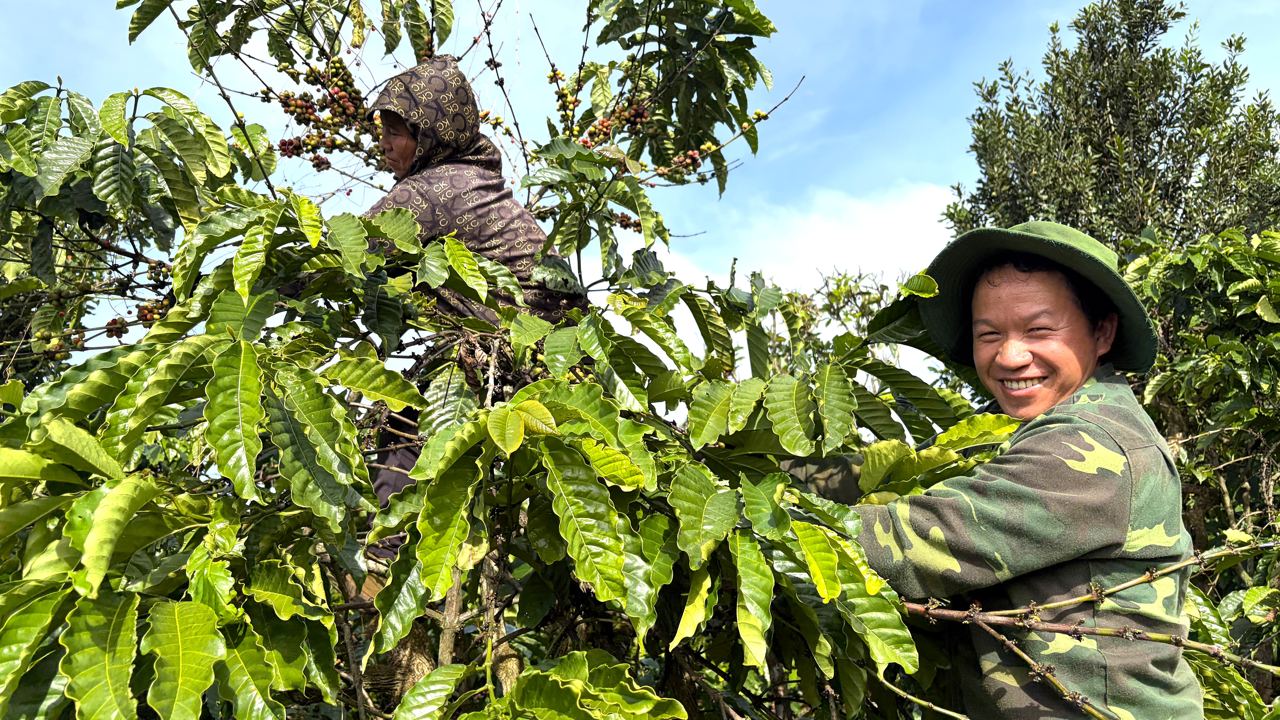
A Report from Vietnam in December 2025, Part 2. This article covers our visit to a farm in Di Linh, Lam Dong Province. Though it appears to be a small provincial city on the map, once you walk around, you realize "City of CoffeeIt was an experience in itself. We report on our findings from the region, including dialogues with producers, branding through government-led GI (Geographical Indication protection), and anticipation for high-quality coffee to be circulated in 2026.
Durian, where is it? The reason it's called the "City of Coffee"
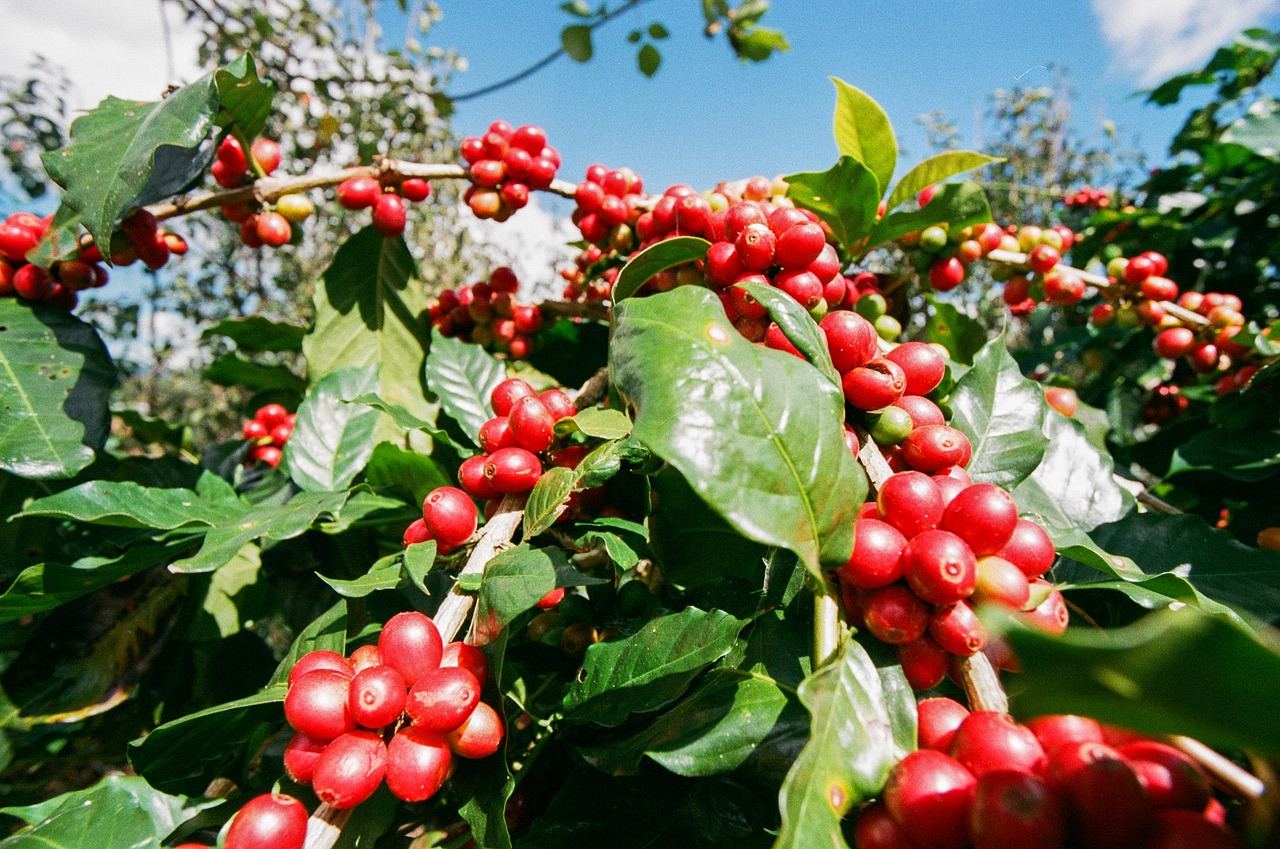
Di Linh, Lam Dong ProvinceIt's a small provincial city when you look at it on a map, but when you walk around, it's truly a "coffee town." From farmers with small fields in their backyards to large plantations, coffee cultivation has been a natural part of life in this region for a long time.
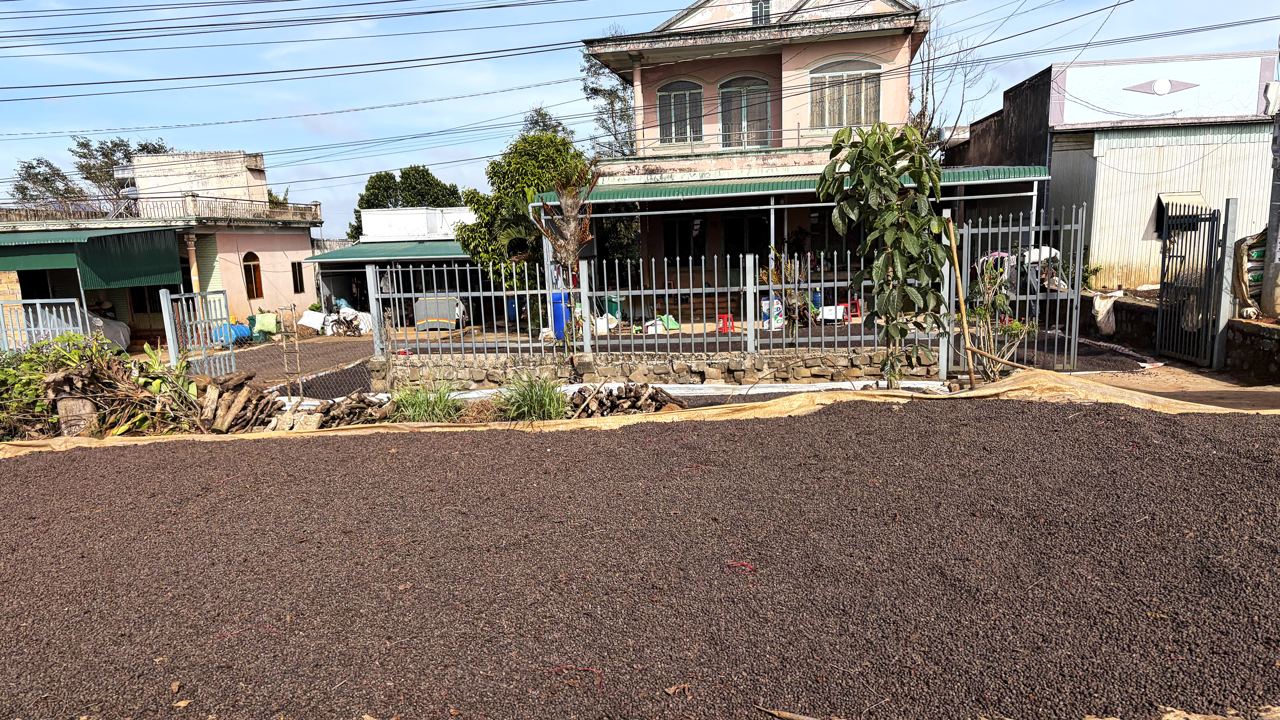
StillThe majority of the population is involved in some aspect of the coffee industry, such as cultivation, processing, or distribution.This is a place where life and coffee are inseparable. It's a common sight to see large sheets spread out on the ground in front of houses, drying coffee beans in the sun.
Vietnam Government Also Paying Attention: Brand Development of Da Lat Coffee Proceeds with GI Certification
In recent yearsThe Vietnamese government is also focusing on the potential of Da Lat coffee.and quality improvement,Geographical Indication Protection (GI)Branding initiatives are being promoted. GI is a system that protects and certifies quality based on regional characteristics, and it is an indispensable system for making regional brands internationally recognized.
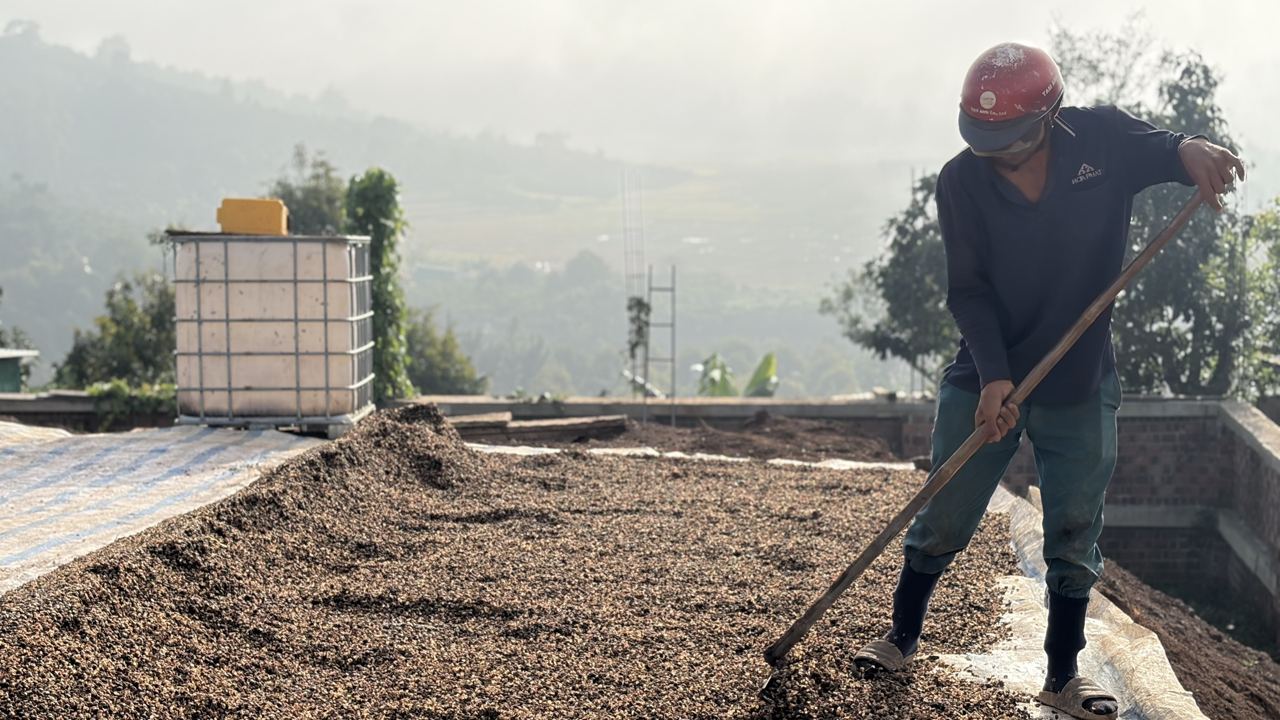
At the farm, a dedicated drying area was set up on the rooftop, and efforts to ensure quality were evident throughout, such as carefully spreading the beans with rakes to ensure uniform drying. This is a region to watch even more closely in the future.
Dílin's Farm Visit: Live Communication with Farmers
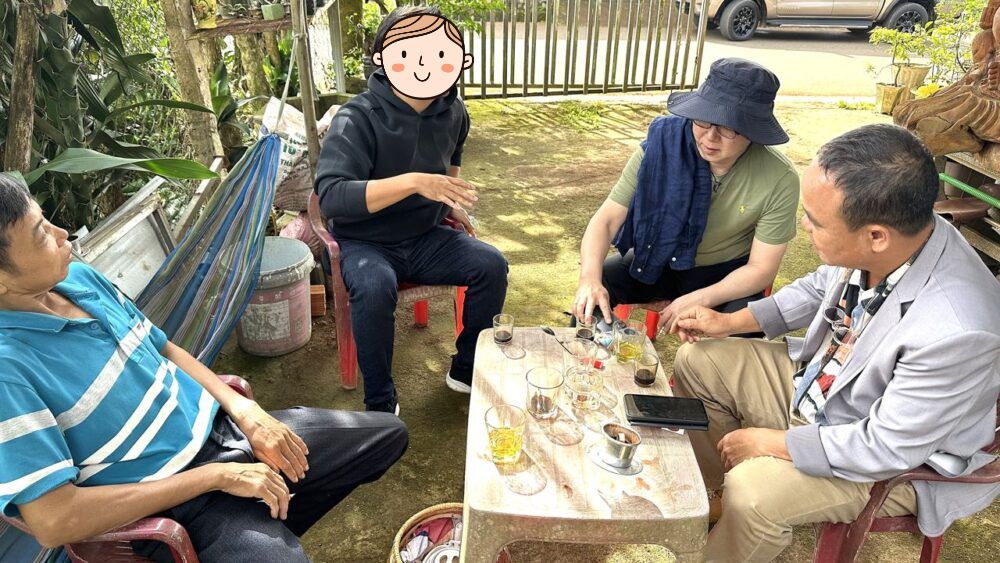
Similar to Bảo Lộc, which was visited the day before,I've also had solid communication with the plantation owners in Dirin.We'll have candid discussions about the year's performance, challenges in the processing stages, and market trends, while also incorporating actual cupping (coffee flavor evaluation).
Each time I visit, I realize that fostering these visible relationships is the surest way to obtain firsthand, practical information from the local community.
Expectations for high-quality coffee circulation in 2026
Even here in Diriin,This year's harvest is good, so we can expect good quality to be distributed in 2026.Dilyn is a region to watch when it comes to the future of high-quality Vietnamese coffee, thanks to its GI branding, the motivation of farmers to improve quality, and consecutive years of good harvests.
Next time, we will share our cupping (tasting) session at our partner Tung's company and the development of new products.
→[Vietnam Travelogue ③] Cupping with Tung | The Story Behind High-Quality Vietnamese Coffee for Japan