


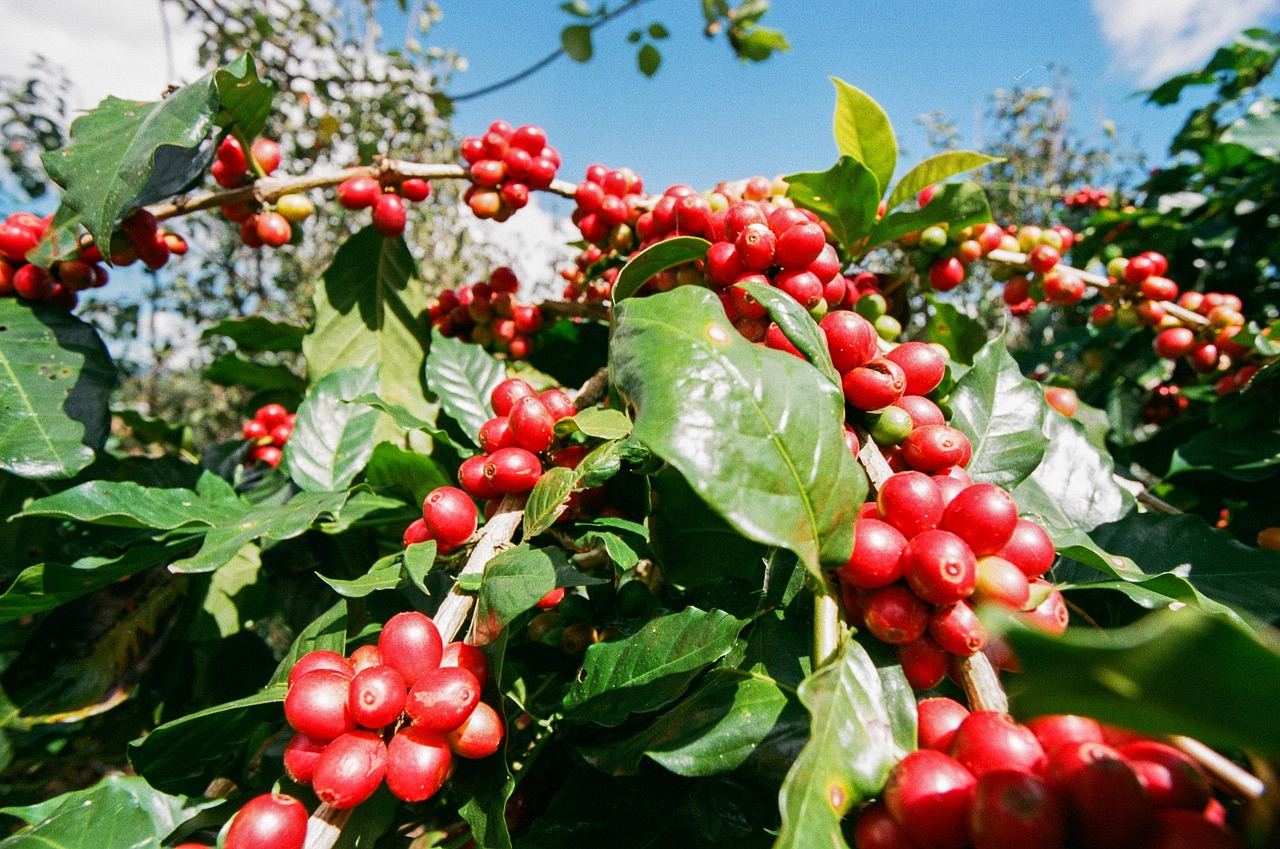
In Vietnam, the world's second-largest coffee producer, you'll hear terms like "specialty" and "fine Robusta" with increasing frequency. On the other hand, lots that have obtained official scores from the SCA (Specialty Coffee Association) or certifications from the CQI (Coffee Quality Institute) still represent a small fraction of the total.
Here, we'll organize what Vietnamese specialty/fine robusta has achieved so far and why there's still much untapped potential, incorporating firsthand experiences from the field.
Specialty/Fine Robusta standards are universal.
When referring to "specialty coffee" in Vietnam, it's generally understood to be based on the globally recognized SCA/CQI standards. The SCA cupping form defines specialty coffee as scoring 80 points or more out of 100, and the CQI Q Grader certification is also conducted according to this evaluation scale.
Regarding Robusta, it is evaluated based on the "Fine Robusta Standards" established by the CQI, and lots scoring 80 points or more are treated as "Fine Robusta." In other words, Vietnam does not have special standards; rather, whether it is "Specialty" is judged solely by international benchmarks.
Meanwhile, for export green coffee, there are also unique Vietnamese quality standards such as TCVN 4193, which define physical criteria such as the number of defective beans and moisture content. In practice, a two-tiered approach to quality is gradually spreading, where producers aim for 80 points or more in SCA/CQI cupping, after meeting these export standards.
Why do many lots not have formal scores?
However, in reality, the vast majority of lots do not have SCA scores or Q Grader certifications. The underlying structural challenges, not just in Vietnam, are often cited as reasons for this, including the following:
- Cost and effort involved in evaluation: Formal cupping evaluations and contest entries incur costs and time for sample preparation, transportation, and evaluation. For small-scale farmers and cooperatives, the priority often becomes "building relationships with exporters and roasters who will reliably buy from us, rather than this."
- Access to Q Graders and Evaluation Institutions: While the number of Q Graders and SCA-certified schools is increasing within Vietnam, they are concentrated in urban areas like Hanoi and Ho Chi Minh City. From the perspective of farms in the Central Highlands, there are voices saying, "There's nowhere nearby to consult."
- Lack of Market Incentives: From the producers' perspective, there's a reality where "even if they achieve a good score, it doesn't guarantee a high selling price" and "buyers prioritize track record and relationships over scores." Consequently, many believe, "First, let's focus on quality improvement and stable transactions, and certification can come later."
- Gap between evaluation criteria and actual style: It's pointed out that SCA's cupping form was originally designed for washed Arabica, and may not fully express the individuality of Vietnamese naturals, experimental processing methods, or even Robusta. Some producers are hesitant about official evaluations due to anxiety about whether "their coffee will truly be judged fairly."
Given these circumstances, it is thought that many lots are being produced that possess specialty-grade quality but have not yet received a score.
Contest showcasing hidden potential and on-site cupping
Still, visualization is gradually beginning to progress. In Vietnam, UCC quality contests and specialty contests in various regions are being held, where authentic cupping assessments based on SCA forms are conducted.
Looking at the reports for these contests,
- Many of the finalists scored 80 or higher on the SCA scale.
- Cooperatives in Dalat, Lam Dong, and the Central Highlands are scoring in the mid-80s.
have been reported, confirming that "lots meeting the specialty standards do indeed exist."
Even when we cup together on farms in Dalat and Lam Dong province (Bao Loc/Di Linh), we often encounter lots that would score over 80 points according to SCA's evaluation criteria. However, there's a gap because these haven't entered international competitions or obtained official scores, so from the outside, they look like just "regular Vietnamese coffee."
What Tung's score of 85.33 indicates
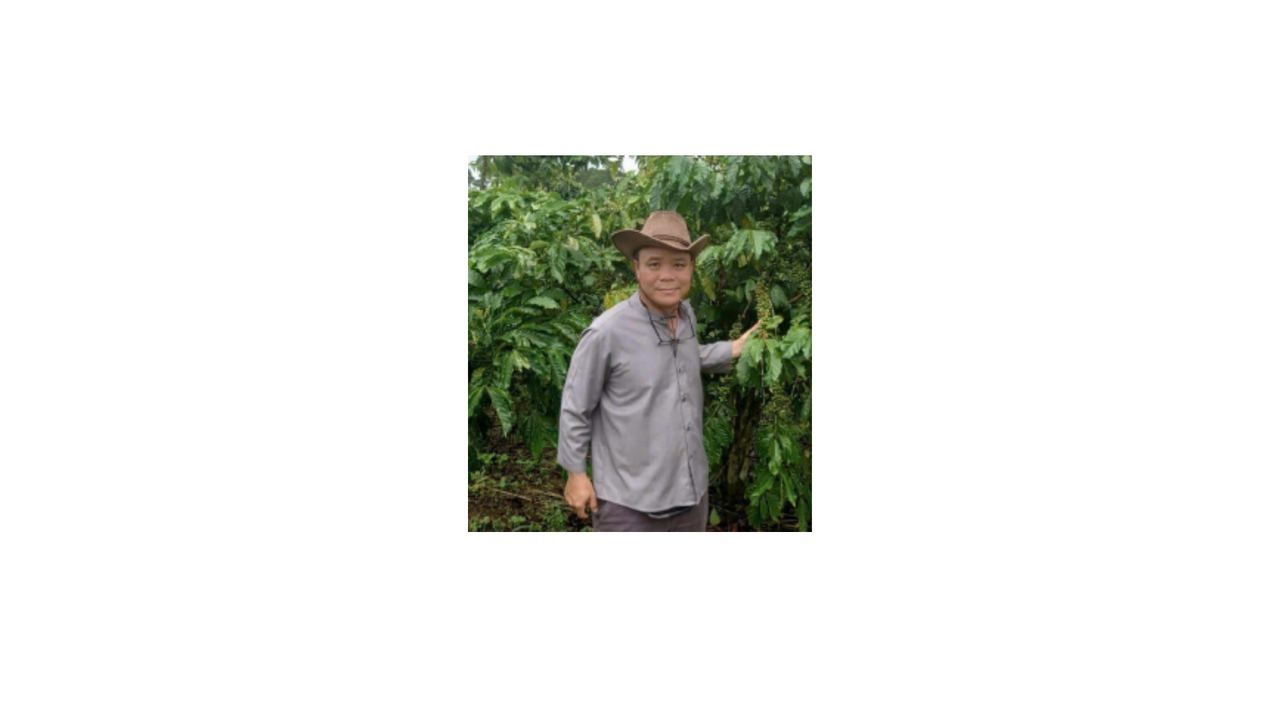
Amidst this, my partner Mr. Tung's directly managed farm achieved a symbolic result with the 2025 harvest lot. It received a score of 85.33 points in a cupping evaluation based on SCA standards, recognized with the "Excellent" classification.
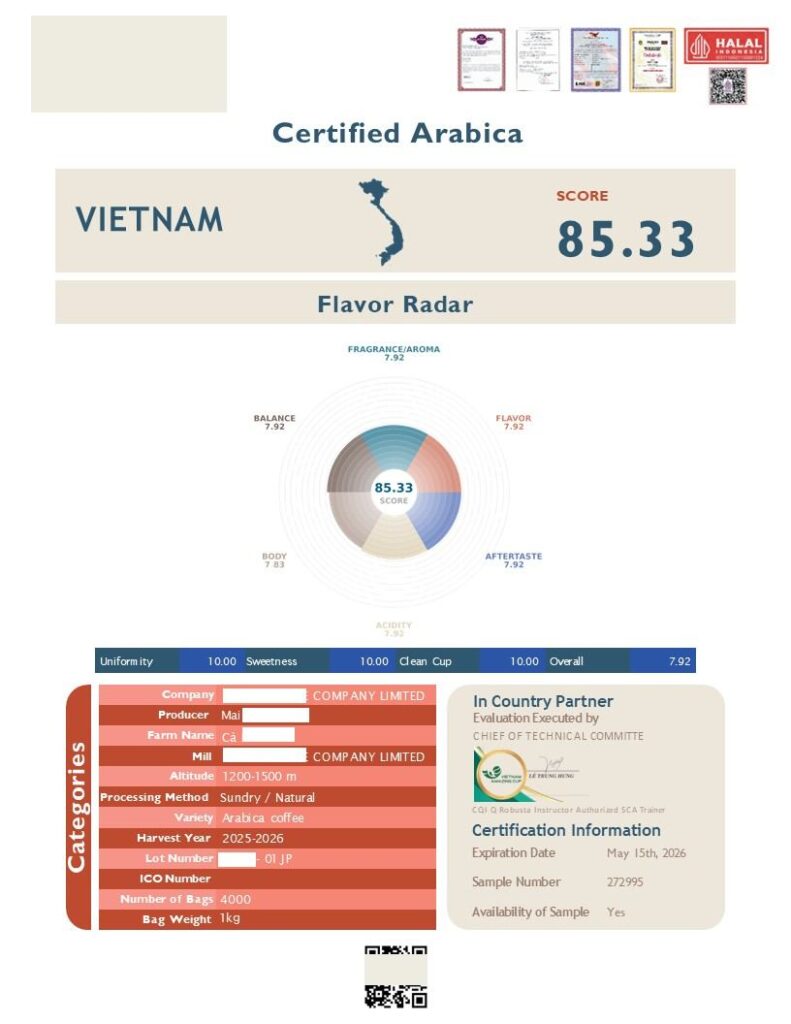
In general, with the SCA score
- 80-84.99 points: Very Good
- 85-89.99 points: Excellent
and are often rated as such, with scores in the mid-80s being a sufficiently high standard globally. This result can be said to be very clear proof that "lots that can confidently be called Excellent, even by international standards, are being produced from Vietnam's Central Highlands."
Among the coffee beans we deliver to Japan, there are several lots grown on farms in the Central Highlands, including Mr. Tung's farm. While not all of them score above 85, the number of lots that we feel "have not yet received an official score but fully meet the standards for specialty coffee" is increasing year by year.
The “ahead-of-the-curve” feeling of choosing Vietnam now”
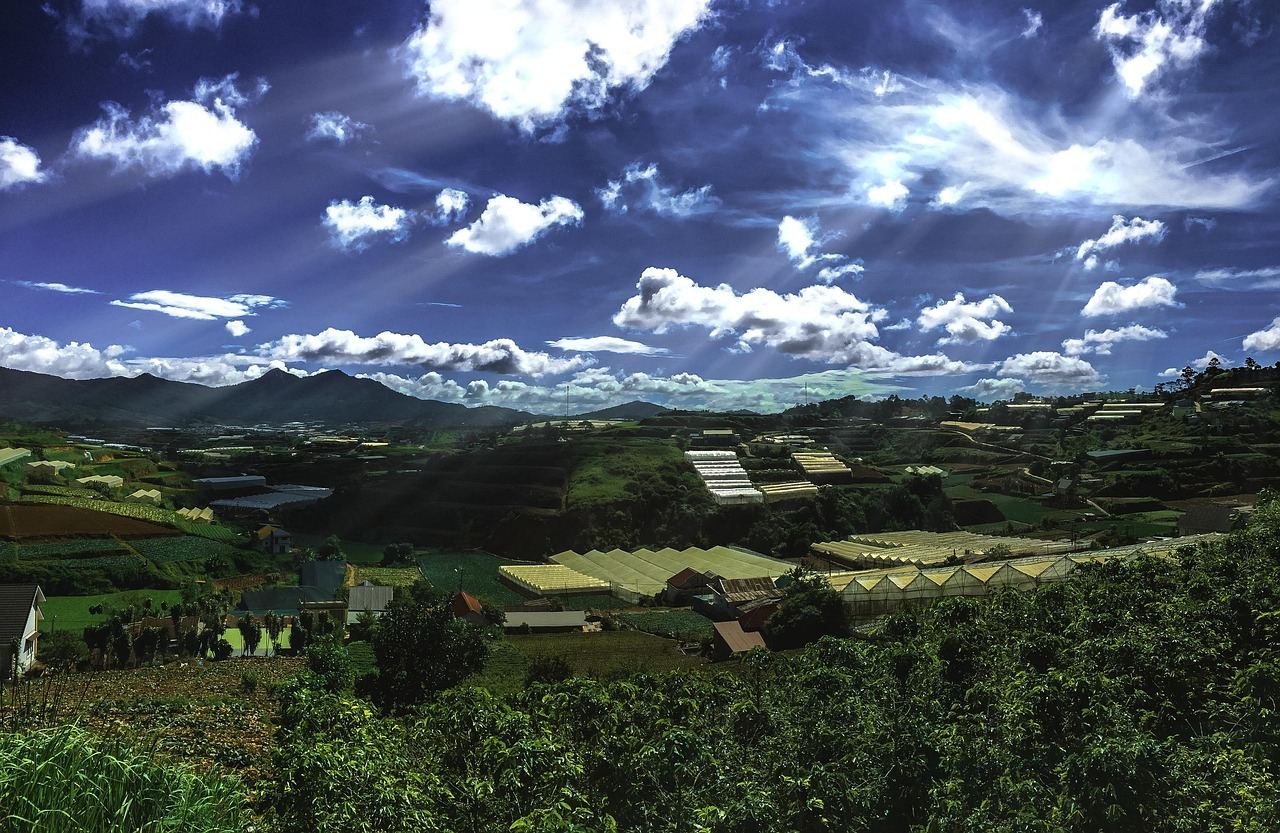
In a nutshell, Vietnam's specialty/fine robusta is still at a stage where "appreciation and branding haven't caught up." Conversely, selecting high-quality lots from Vietnam's Central Highlands now is...
- Specialty grade quality
- Stories from lesser-known origins and farms
- Anticipating future branding with a “special touch.”
can be thought of as leading to obtaining both at the same time.
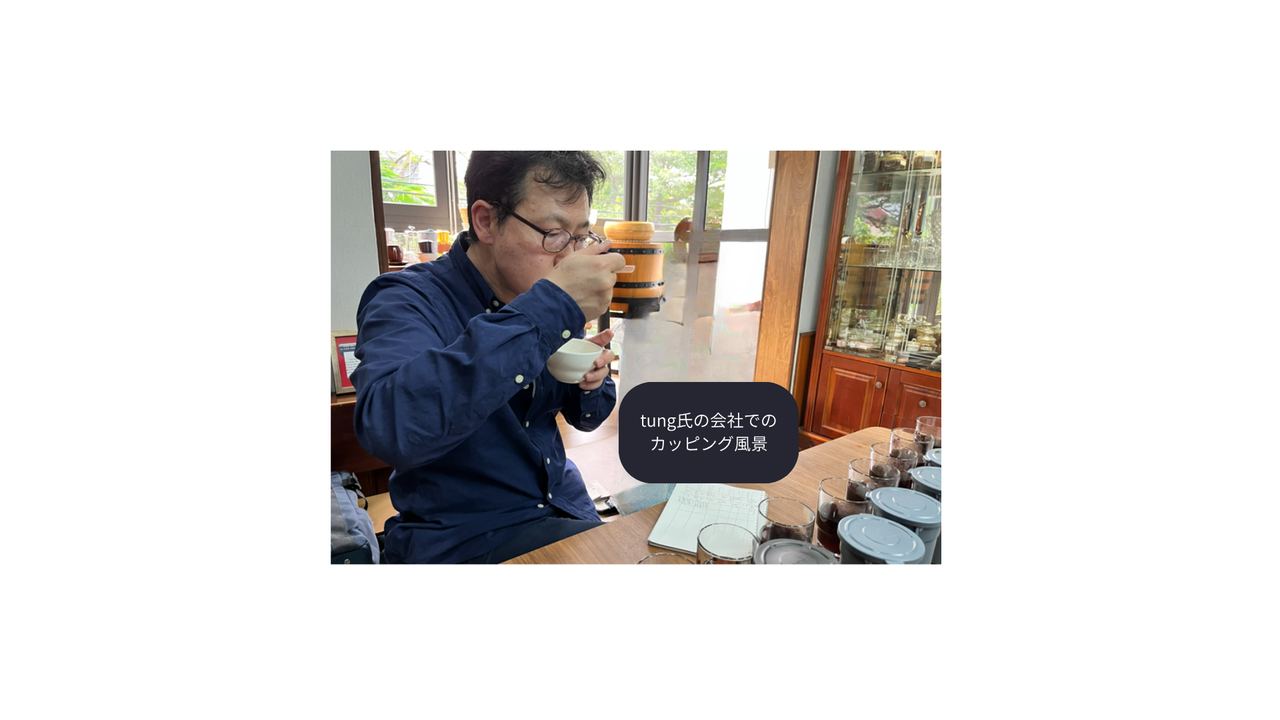
We, too, are working together with the coffee farms in Dalat and Bao Loc/Di Linh in Lam Dong Province, cupping them repeatedly. By achieving concrete results one by one, such as Mr. Tung's 85.33 score, we want to convey a new image of Vietnam to everyone in Japan, one that is not solely defined by "quantity." We would be delighted if you could explore with us the yet-to-be-fully-appreciated potential within a cup of Vietnamese coffee.