
When you hear "Vietnamese coffee," many people might think of souvenir coffee from a trip or that unique brewing style. However, looking at the coffee market over the past few years, Vietnam is starting to show a new side that can't be defined by those things alone.
As we connect import statistics and roster lineups, we can see “Vietnam” quietly joining the ranks of "premium beans" on shelves. In reality, Vietnam has become the second-largest supplier of coffee imported into Japan, following Brazil, and some of this coffee has recently begun to be handled as single-origin or premium beans.
To the position of "brand bean"
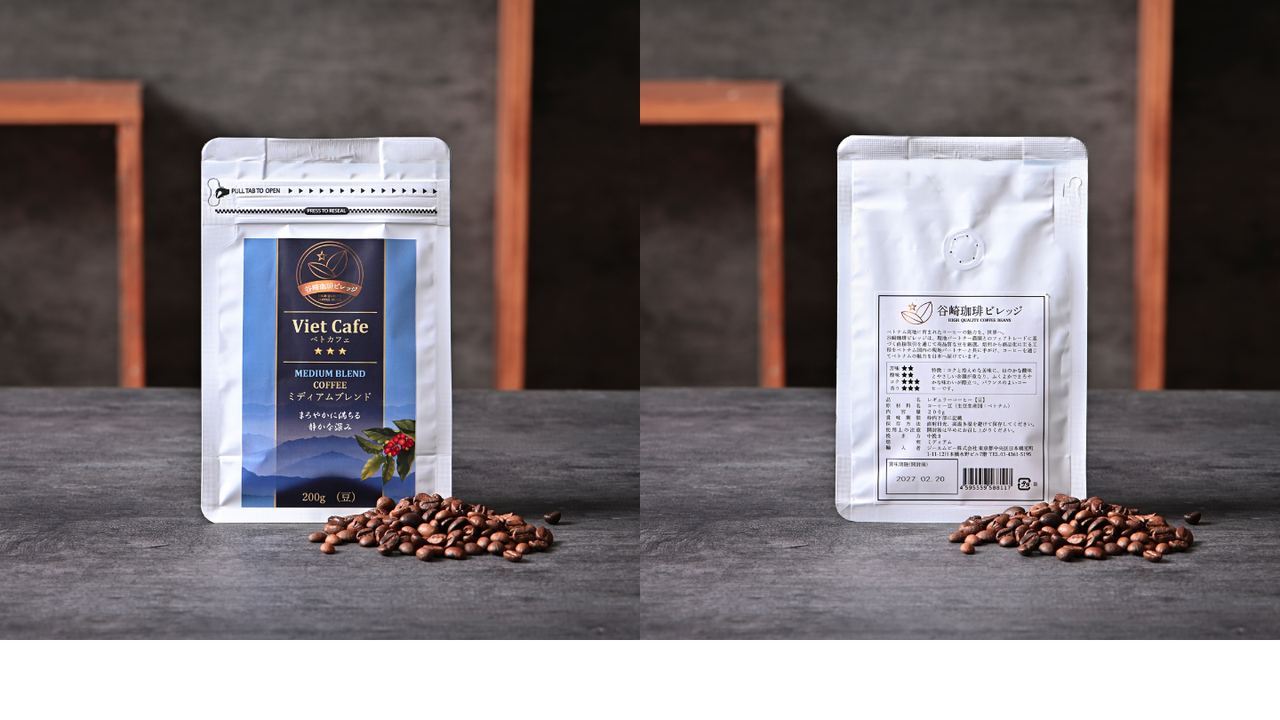
When looking at the shelves of roasters in Japan and Europe, you're increasingly likely to see bags labeled with "VIETNAM," "DALAT," and "LAM DONG," alongside familiar origin names like "BRAZIL," "COLOMBIA," and "ETHIOPIA." These aren't just "any beans from any origin"; they carry the intention of wanting people to enjoy the unique flavors that can only come from this land.
Compared to a few years ago, Vietnamese beans are clearly being handled more often as “brand beans” that highlight their country of origin or region. I feel it's a significant change that they are now naturally being displayed alongside beans from other regions, without being confined by previous perceptions.
Changes happening in Japan and the world
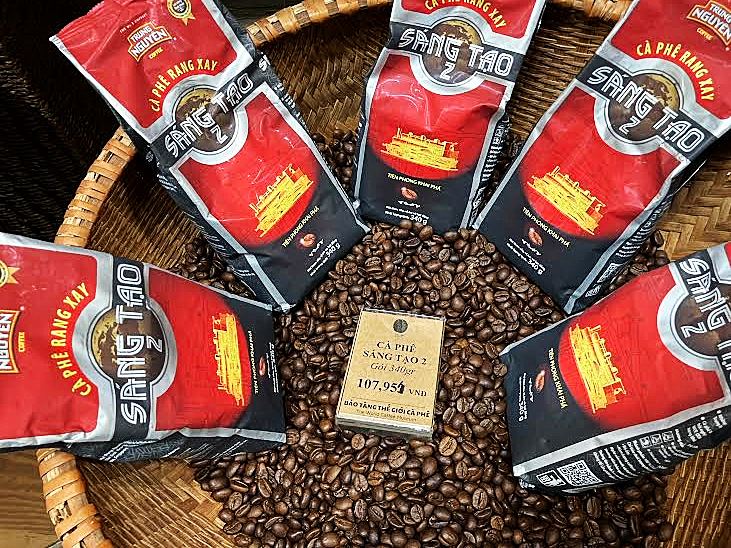
In Japan, too, several roasters have begun introducing Arabica and high-quality Robusta beans from Vietnamese farms as single origins. The packaging now includes not only “Vietnam” but also place names like "Dalat," "Lam Dong," and "Central Highlands," along with the names of farms and producers. These are presented as individual "works" with cupping notes. This is the moment when Vietnam begins to sit at the same table as beans from Brazil and Colombia.
Overseas, there are increasing examples of specialty coffee brands originating from Vietnam expanding internationally under their original brand names. Beans roasted in Vietnam, along with the philosophy of local roasters, are appearing in cafes and online shops abroad, chosen for "the acidity, sweetness, and texture that can only be experienced in Vietnam." These are on-the-ground changes that statistics alone cannot capture.
How to read unpublished numbers
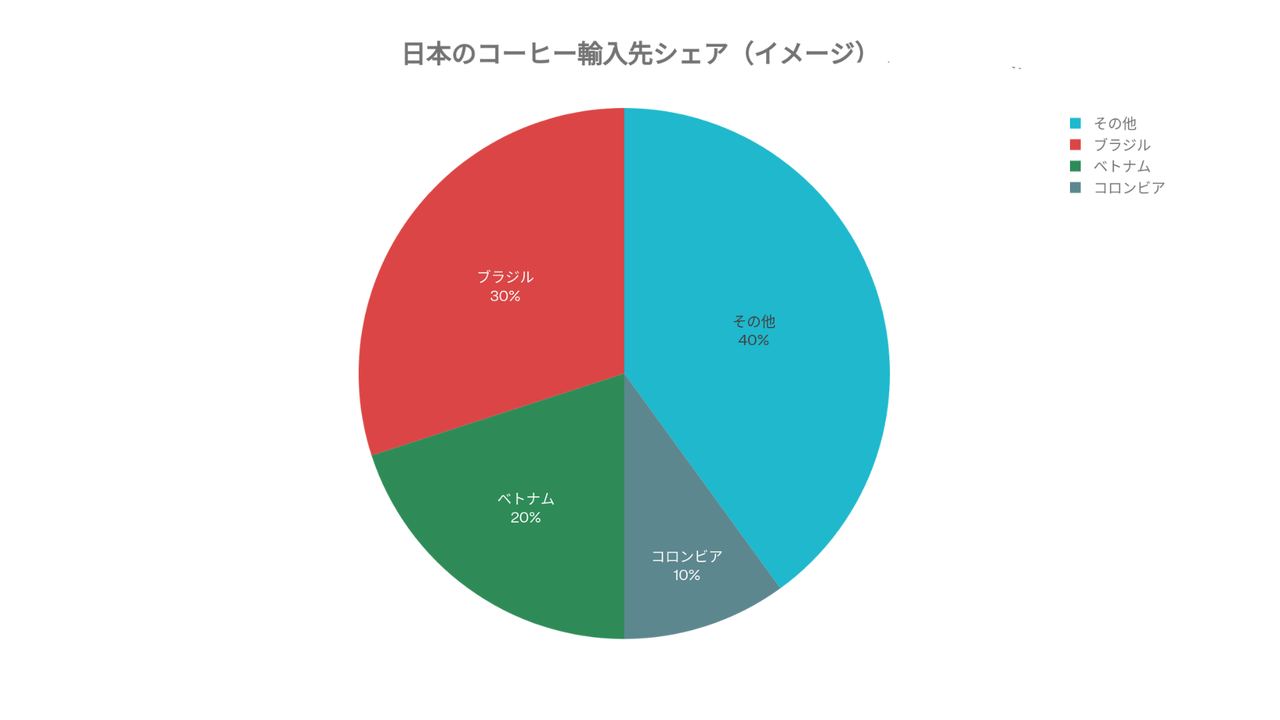
Large chains and multinational corporations do not disclose detailed purchase ratios by origin and brand. Therefore, it is impossible to state with exact figures "which brands are using how much high-quality Vietnamese beans."
On the other hand, total share by country is published, such as in Japan's coffee import statistics. In Japan, Vietnam has become the second largest supplier after Brazil, and a portion of its coffee is now handled as single-origin or branded beans.
Furthermore, when you consider Vietnam's production share globally, its lineup of specialty roasters, and examples featured in industry media, a clear direction emerges: “Vietnamese beans are steadily increasing their presence in recognized and discussed circles.” Here, we deliberately avoid stating specific percentages for each brand and instead aim to convey this "trend itself."
The image of Vietnam we want to deliver
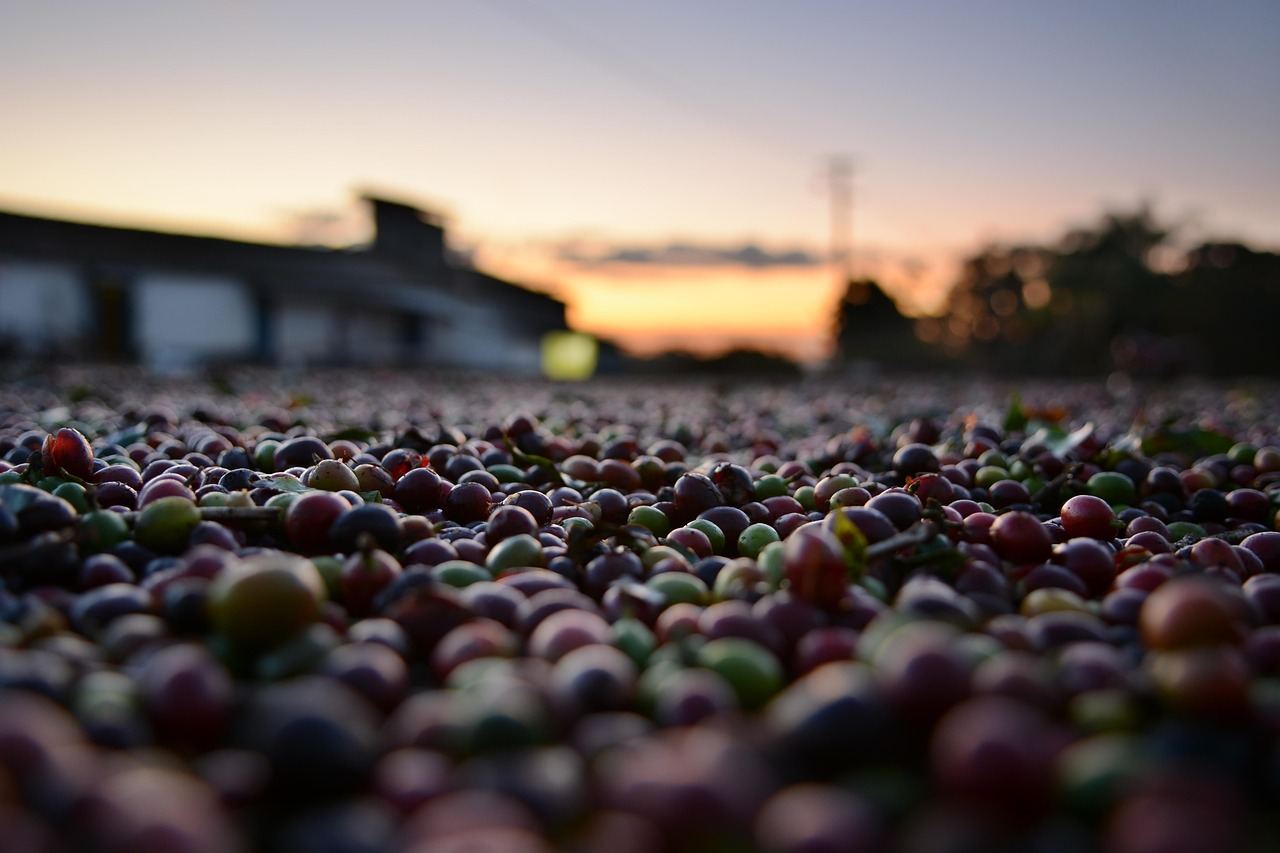
Parallel to these global developments, we engage with coffee on a smaller scale, working directly with farms in Lam Dong, Vietnam. We examine the harvested cherries, verify the processing methods, and taste the coffee together at the cupping table. We then introduce the resulting lots as embodying "the taste of this land and its people."
Globally, Vietnam may still be considered one of the "newly recognized origins." Nevertheless, there are certainly producers who are leveraging their high-altitude climate and soil, challenging themselves to meet specialty standards.
Perhaps one day, it will be commonplace to naturally choose, "Today, I'll drink coffee from this Vietnamese farm." We would be happy if you could get a little taste of Vietnam in this moment, on your way to that future.